How to Match Moss Texture with Your Interior Style
Preserved moss has become a popular choice for adding natural texture and a sense of calm to interior spaces. Unlike live plants, it requires no watering or sunlight, and its soft, varied surfaces can complement many design aesthetics. The challenge is choosing the right type of moss and arranging it so it feels intentional, not random. This article walks through the steps to match moss texture with your interior style, from understanding the material itself to placing it in your space.
Step 1: Understand the Main Moss Textures
Before you start styling, get familiar with the textures available in preserved moss. The most common types are sheet moss, cushion moss, and reindeer moss. Each has a distinct look and feel. Sheet moss lies flat and spreads in a thin, velvety layer. It resembles the soft green carpet you might find on a forest floor. Cushion moss forms rounded, pillowy clumps that add volume and a gentle, organic shape. Reindeer moss, despite its name, is actually a lichen. It has a branching, coral-like structure that is drier and more open than the other two. Its color variation can be quite wide, from pale sage to deep forest green, and it often holds dye well, so you may find it in unusual hues.
Step 2: Assess Your Interior Style
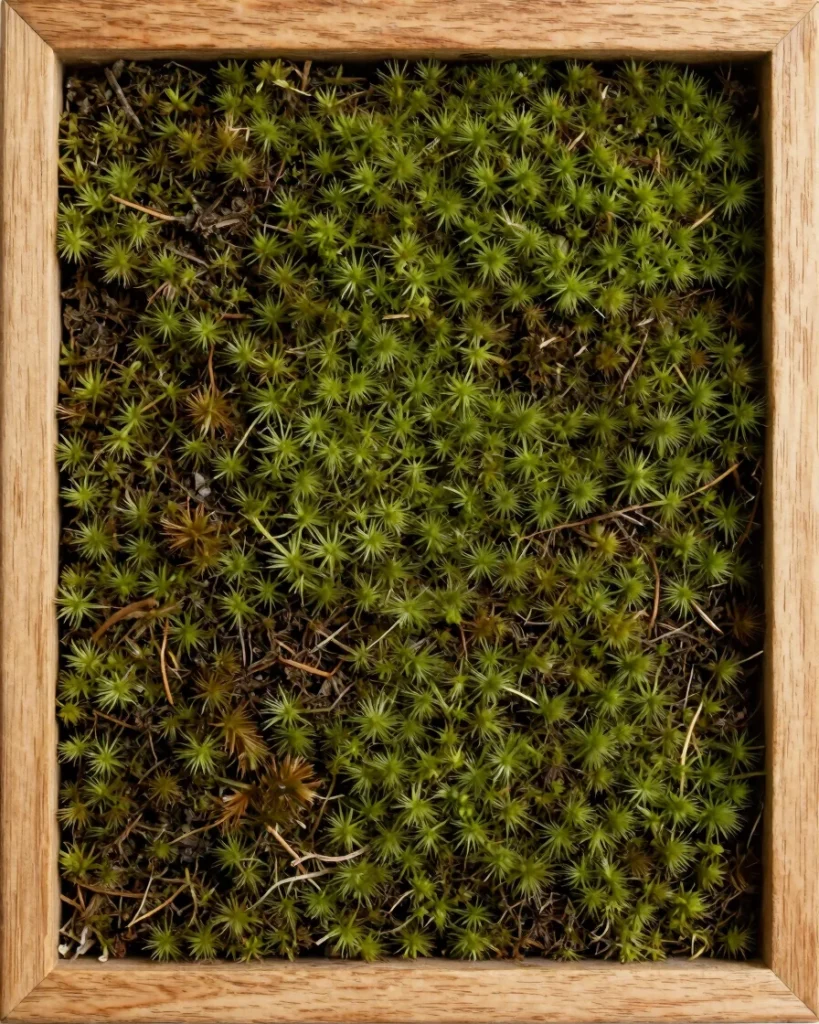
Every interior style has a dominant mood and a set of textures that feel natural to it. For instance, a minimalist or Scandinavian interior typically favors clean lines, neutral tones, and a few carefully chosen natural elements. In such a space, a single sheet of preserved moss in a simple wood frame can provide just the right touch of nature without clutter. The flat, even surface of sheet moss echoes the calm, uncluttered look of the room. On the other hand, a bohemian or eclectic space thrives on layers, pattern, and unexpected materials. Here, cushion moss or a mix of reindeer moss with its varied color variation can add depth and a sense of wildness. The key is to look at your room and identify its primary textures: smooth, rough, soft, hard, shiny, matte. Then choose a moss texture that either harmonizes with the dominant one or provides a deliberate contrast.
Step 3: Match Texture to the Room's Purpose
Consider how the room is used. A living room where people gather and conversation flows can handle a more dramatic moss wall piece, perhaps a large panel of cushion moss that becomes a focal point. In a bedroom, where rest and relaxation are the goals, a small, subtle piece of sheet moss in a muted tone works well. It adds a whisper of nature without stimulating the eye too much. For a home office, where focus and clarity are needed, a structured composition with reindeer moss in a clean geometric frame can bring a sense of order. The texture of the moss should support the room's function, not fight it.

Step 4: Consider the Frame and Mounting
The way the moss is presented affects how its texture reads. A deep shadow box frame gives cushion moss room to project outward, emphasizing its three-dimensional quality. A flat frame, by contrast, presses the moss against the backing and makes sheet moss look even more like a painted surface. The material of the frame matters too. A light wood frame suits a rustic or Scandinavian interior, while a black metal frame can make reindeer moss look modern and graphic. If you are using a kit that includes a frame, think about whether the frame color and profile match the room's existing finishes. The frame is not just a container; it is part of the visual weight of the piece.
You might also consider how the moss is mounted. A piece that sits directly on the wall without a visible frame can feel like a living painting, but it requires a clean edge and a firm backing. If the moss is arranged in a pattern, such as a grid of squares or a flowing shape, the contrast between the moss and the wall color becomes part of the design. A pale wall will make dark green reindeer moss stand out sharply, while a dark wall can make the same moss seem to dissolve into the background, leaving only its texture visible.
Step 5: Think About Color and Light
Moss is not just green. Preserved moss can be found in various shades, from almost yellow-green to deep teal, and even in dyed colors like rust or charcoal. The color variation in a single piece of reindeer moss can be quite striking. When choosing a color, look at the existing palette of the room. If the room has warm tones, such as beige, terracotta, or wood, a warm green moss will feel cohesive. If the room is cool, with grays, blues, or whites, a cooler green or even a gray-tinted moss can work well. Light also changes how texture is perceived. In direct light, every bump and crevice of cushion moss is highlighted. In soft, diffused light, sheet moss can look almost like a soft fabric. Place your moss wall piece where the light conditions will show its texture the way you want it to be seen.
Step 6: Test the Scale
Scale is often overlooked. A small piece of moss on a large empty wall can look lost, while a huge panel in a tiny room can feel overwhelming. A good rule of thumb is that the moss wall piece should occupy about one-third to two-thirds of the width of the furniture it hangs above, or about half the width of the wall if it is the only element. If you are using multiple small pieces, treat them as a group and consider their visual weight together. The texture of the moss will be more noticeable when the piece is large, because the eye can sweep across the surface and register its variations. A small piece, by contrast, may read more as a color accent than a textural one.
Step 7: Combine Moss with Other Materials
Moss does not have to stand alone. It pairs well with wood, metal, stone, and even fabric. A wood frame with a natural edge can echo the organic feel of cushion moss. A sleek metal frame can make reindeer moss look like a modern sculpture. If your interior style is industrial, with exposed brick and concrete, a panel of sheet moss can soften the hard surfaces and add a living warmth. In a traditional room, moss in a ornate frame can be an unexpected twist. The combination of materials creates a richer visual story. Just be careful not to overdo it. Let the moss be the main character, and let the other materials support it.
Step 8: Adjust for the Room's Overall Texture Balance
Every room has a texture balance. If the room already has many rough surfaces, such as a stone fireplace, a chunky rug, and linen curtains, adding a rough-textured moss might make the space feel chaotic. In that case, a smooth sheet moss can provide a calm counterpoint. Conversely, a room full of glossy surfaces, such as lacquered furniture, glass, and polished metal, can feel cold. Adding cushion moss or reindeer moss introduces a soft, matte texture that warms the space. Think of the room as a composition where each texture has a role. The moss is there to complete the picture, not to dominate it.
Step 9: Live with It and Adjust
Once the moss wall piece is installed, give yourself time to see how it feels. Sometimes a piece that looked perfect in the shop or online can feel different in your actual space. The light changes throughout the day, and the moss texture may look different at different times. If it feels too prominent, you can move it to a less central spot or balance it with a larger piece of furniture nearby. If it feels too subtle, consider adding a small spotlight to emphasize its texture. The beauty of preserved moss is that it does not change, so you have time to find the right place for it.
In the end, matching moss texture with an interior style is about creating a feeling of Home. The right piece should make the room feel more like a place where you want to spend time. It should not shout for attention but rather invite a closer look. When you get the texture, scale, and placement right, the moss becomes a quiet, grounding presence in your space. That sense of a settled, personal Home is what makes the effort worthwhile.

Remember that preserved moss is delicate. It does not need water, but it should be kept out of direct sunlight and away from humidity. Dust it occasionally with a soft brush or a gentle stream of air from a hairdryer on a cool setting. With care, your moss wall piece will retain its texture and color for years, continuing to bring a piece of nature into your interior.